
 Date:
Date: Time:
Time: Location: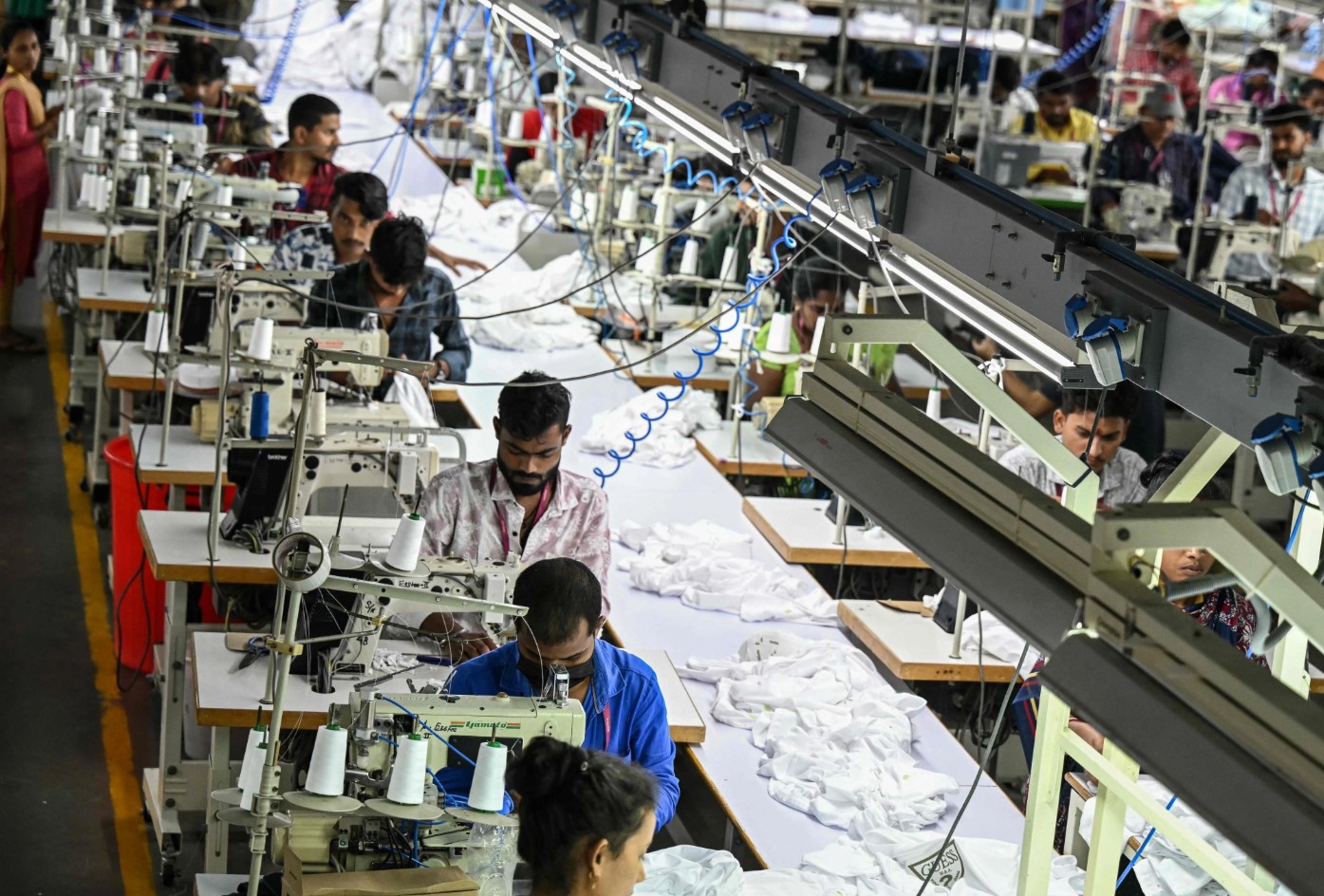
Session 2
3rd June 2026 – 2.00 pm to 3.30 pm
Global Supply Chains Under Pressure:
Why the Region is Emerging as the Next Global Sourcing Hub
Session Positioning
This session is positioned as a transition from global uncertainty to regional opportunity, demonstrating how structural shocks in global supply chains are accelerating the rise of Thailand and ASEAN as a preferred sourcing base.
Narrative logic:
“The global system is under stress - ASEAN & South Asian Region offer a stable, scalable alternative.”
Core Narrative
Amid escalating geopolitical tensions, supply chain disruptions, and cost volatility, global sourcing strategies are undergoing a structural reset. This session explores how these pressures are driving brands and manufacturers to diversify, de-risk, and regionalize supply chains, and why Thailand - at the heart of Asia - is uniquely positioned to emerge as a trusted global sourcing hub.
Discussion Structure
Part 1: Global Supply Chain Disruption & Structural Reset
- Geopolitical conflicts, trade wars, and sanctions reshaping sourcing flows
- Post-pandemic exposure of fragility in over-concentrated supply chains
- Inflation, energy costs, and financial volatility impacting sourcing decisions
- Shift from cost-driven → risk-adjusted sourcing strategies
Part 2: The Strategic Shift – From Risk Mitigation to Hub Selection
- Rise of China+1, Asia+, and multi-country sourcing models
- Increasing demand for:
Key transition:
Global buyers are not just diversifying - they are redefining where and how they anchor sourcing operations
Part 3: ASEAN’s Strategic Proposition
- Strength across textiles, apparel, technical textiles, and innovation
- Integrated regional value chain across ASEAN markets
- Infrastructure readiness:
- Compliance, sustainability, and export readiness aligned with global standards
Part 4: Thailand as the Neutral Global Sourcing Gateway
- Thailand as a trusted, non-aligned sourcing destination in a fragmented world
- Bangkok as a global meeting point for buyers, brands, and manufacturers
- Central location in Asia enabling:
- Strong connectivity for international stakeholders:
Part 5: South Asia’s Manufacturing Strength & Regional Collaboration
- The critical role of South Asian manufacturing nations such as Bangladesh, India, Pakistan, and Sri Lanka in the global textile and apparel supply chain
- South Asia’s strengths in apparel scale, textiles, yarns, value-added manufacturing, and sourcing competitiveness
- How ASEAN and South Asia can complement each other through multi-country sourcing and integrated regional supply chains
- Building a resilient “Asia Integrated Sourcing Ecosystem” combining ASEAN connectivity with South Asian manufacturing capacity
Key Strategic Narrative:
“The future of sourcing will belong to interconnected Asian supply chains - where ASEAN and South Asia collaborate to offer diversified, resilient, and scalable sourcing solutions.”
Part 6: From Disruption to Opportunity – Building the Next Sourcing Hub
- How Thailand can anchor a regional sourcing ecosystem
- Leveraging ASEAN integration to offer multi-country solutions
- Creating a platform for cross-border collaboration and trade expansion
- Aligning public and private sector efforts to strengthen positioning
Key Discussion Questions
- Are global supply chain disruptions accelerating a permanent shift toward ASEAN?
- What makes a sourcing destination “trusted” in today’s geopolitical environment?
- Can Thailand serve as a neutral coordination hub for multi-country sourcing?
- How can ASEAN collectively strengthen its value proposition to global buyers?
- What are the gaps Thailand must address to fully capitalize on this opportunity?
- How do buyers evaluate Thailand vs. other emerging sourcing hubs?
- How do South Asian Textile and Apparel manufacturing nations fit into this landscape, compete or collaborate?
- Role of regional FTAs in supporting this ecosystem
Key Outcome
From Risk Awareness to Strategic Positioning
Participants will gain:
- A clear understanding that global sourcing is being structurally redefined
- Insight into how risk mitigation is driving geographic realignment
- A compelling articulation of Thailand’s role as the next global sourcing hub in Asia
- A strategic roadmap for leveraging Thailand as a gateway to a multi-country Asian supply chain
“Bangkok at the Center. ASEAN as the Engine. Asia as the Solution.”
Meet the speakers

Mr. Matthijs Crietee
Secretary General, IAF


Dr. Dirk Vantyghem
Director General, EURATEX

Mr. Jemmy Kartiwa
Chairman, ASEAN Federation of Textile Industries (AFTEX)
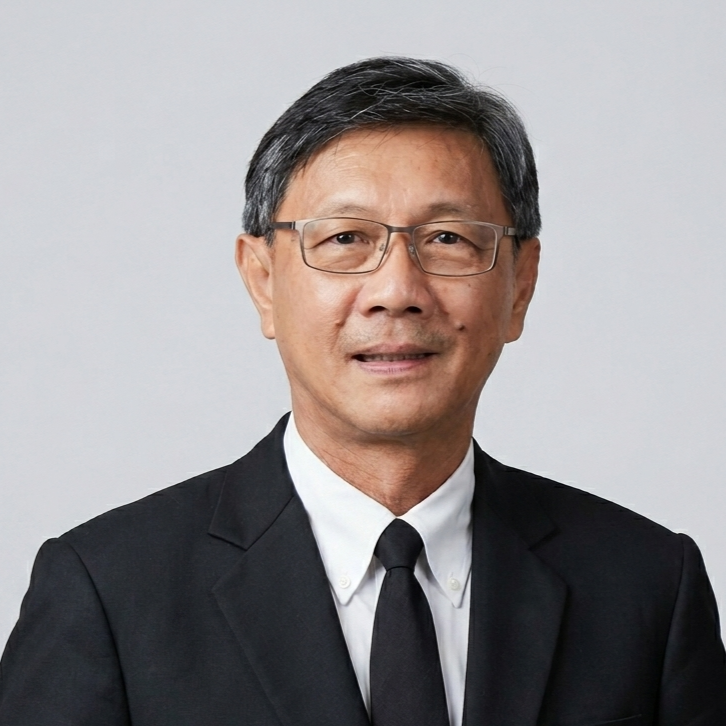
Mr. Chen Namchaisiri
Chairman, Thailand Manmade Fiber Association (TMFA)

Dr. Chanchai Sirikasemlert
Executive Director, Thailand Textile Institute (THTI)
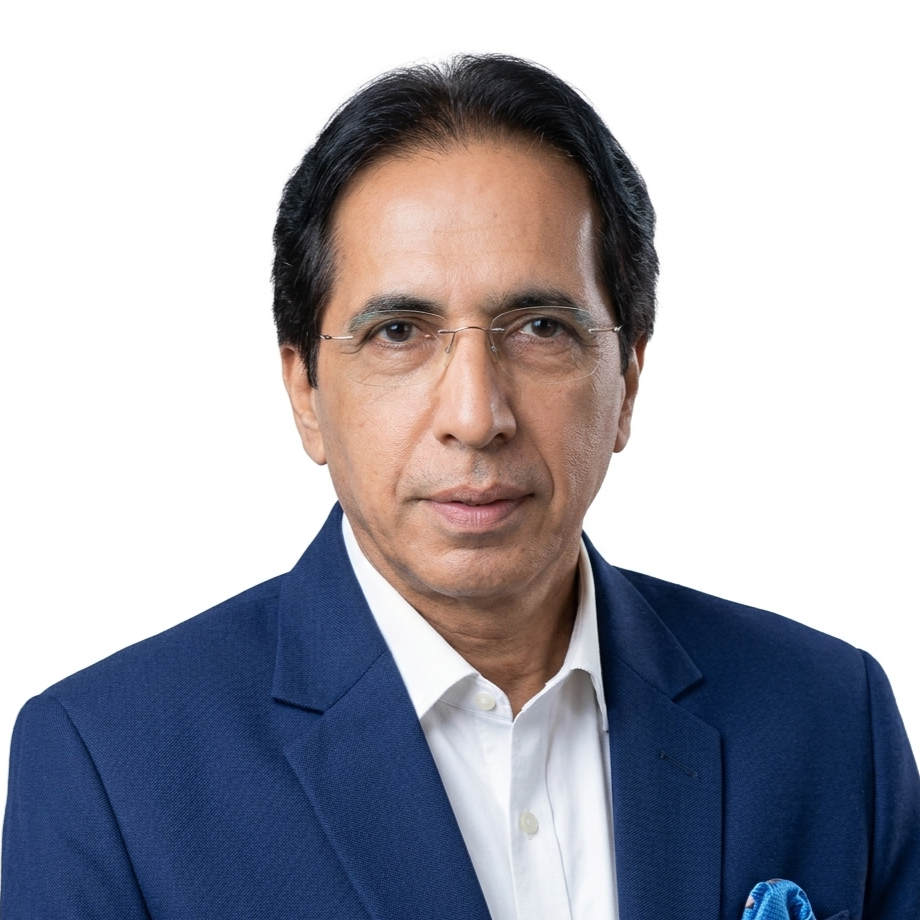
Shri Lalit Thukral
President, NAEC Export Promotion Council, India
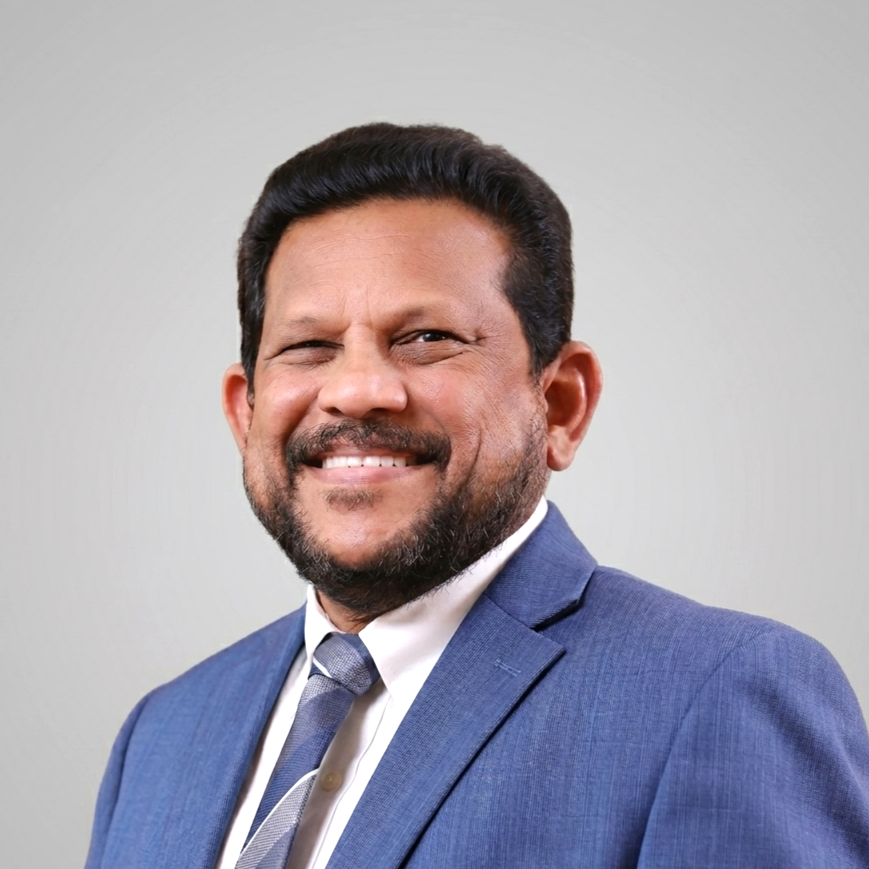
Mr. Felix A. Fernando
Chairman of Joint Apparel Association Forum (JAAF), Sri Lanka

Mr. Yohan Lawrence
Secretary General, Joint Apparel Association Forum (JAAF), Sri Lanka

Ms. Lisa Ramershoven
Head of Partner & Member Engagement Sustainable Terms of Trade Initiative (STTI)

Mr. Chalumpon Lotharukpong
Chairman, Thai Garment Manufacturers Association (TGMA)

Ms. Chi Phan
VITAS, Technical Advisor on Sustainability & Circularity
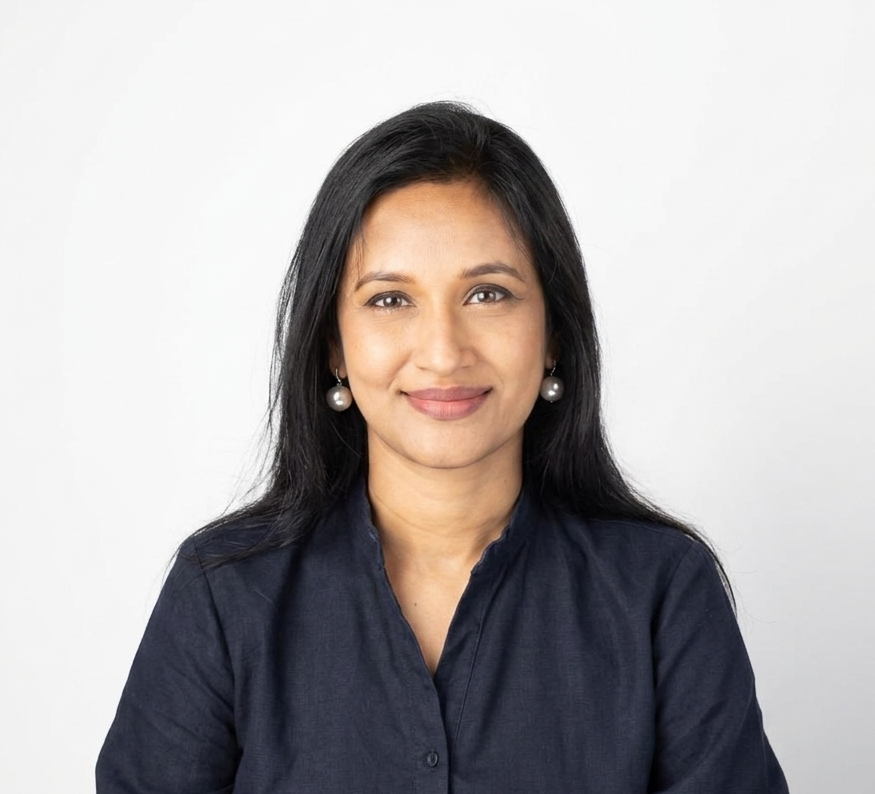
Ms. Amanthi Perera
Head of Group Sustainable Business MAS Holdings Pvt Ltd., Sri Lanka