
 17 Jun 2027
 10:15 am to 10:45 pm
 Impact Exhibition Center, Bangkok
Session Introduction:
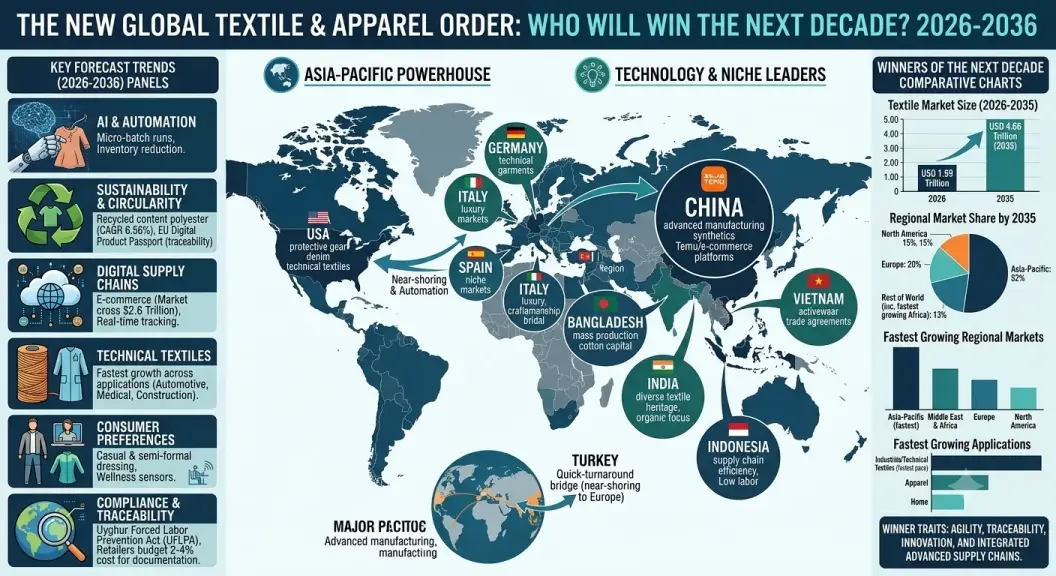
The global textile and apparel industry is entering one of the most consequential periods in its modern history.
What was once a relatively predictable sourcing environment has evolved into a far more complex operating landscape shaped by geopolitical shifts, trade fragmentation, supply chain diversification, sustainability expectations, digital transformation and changing consumer behavior.
 17 Jun 202710:45 pm to 12:45 pmImpact Exhibition Center, Bangkok
Session Introduction:
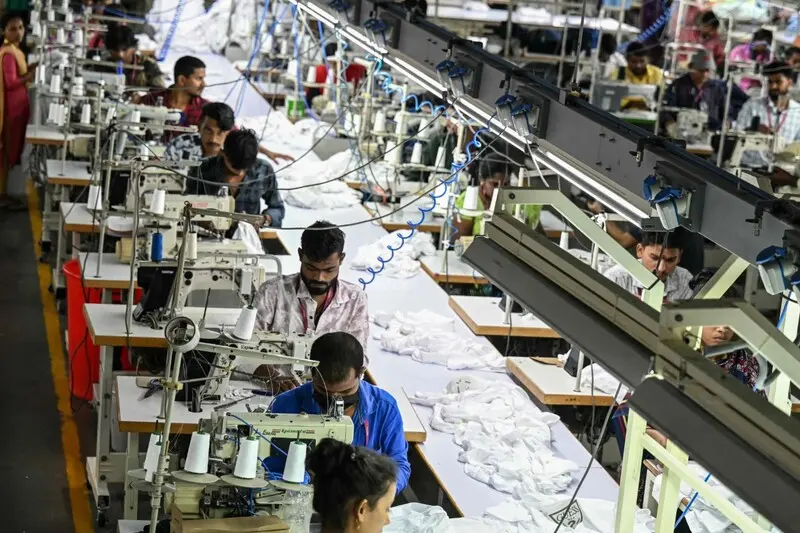
For decades, apparel manufacturing competitiveness was largely measured through labor cost, production scale and export performance.
Today, those traditional measures are being challenged.
Brands increasingly seek partners capable of delivering speed, agility, innovation, transparency and value creation alongside manufacturing capability.
 17 Jun 20271:45 pm to 3:00 pmImpact Exhibition Center, Bangkok
Session Introduction:
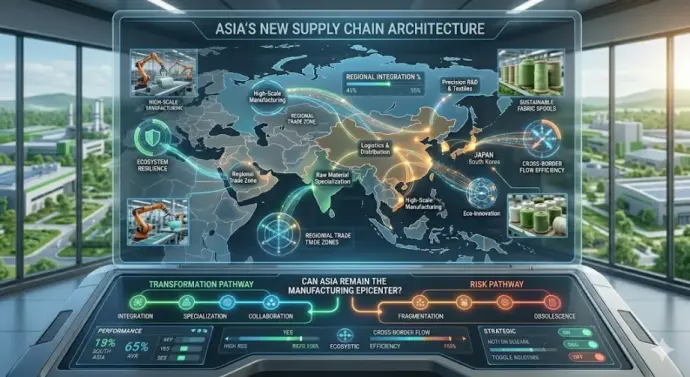
Asia continues to dominate textile and apparel production, but sustaining leadership will require transformation.
Future competitiveness will depend less on individual country performance and increasingly on regional integration, specialization and collaboration.
As sourcing patterns evolve, Asia has an opportunity to reposition itself as a connected sourcing ecosystem rather than a collection of isolated manufacturing destinations.
 17 Jun 20273:15 pm to 4:30 pmImpact Exhibition Center, Bangkok
Session Introduction:
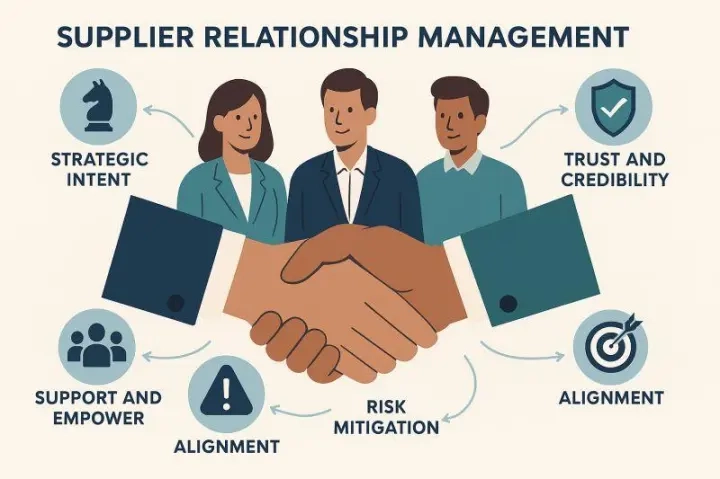
Sourcing relationships are under pressure.
Suppliers face rising expectations while buyers face increasing demands for speed, flexibility and sustainability.
Long-term competitiveness depends on creating healthier commercial structures that support both business performance and responsible growth.
This session creates a platform for honest dialogue between buyers
 17 Jun 20274:45 pm to 6:00 pmImpact Exhibition Center, Bangkok
Session Introduction:
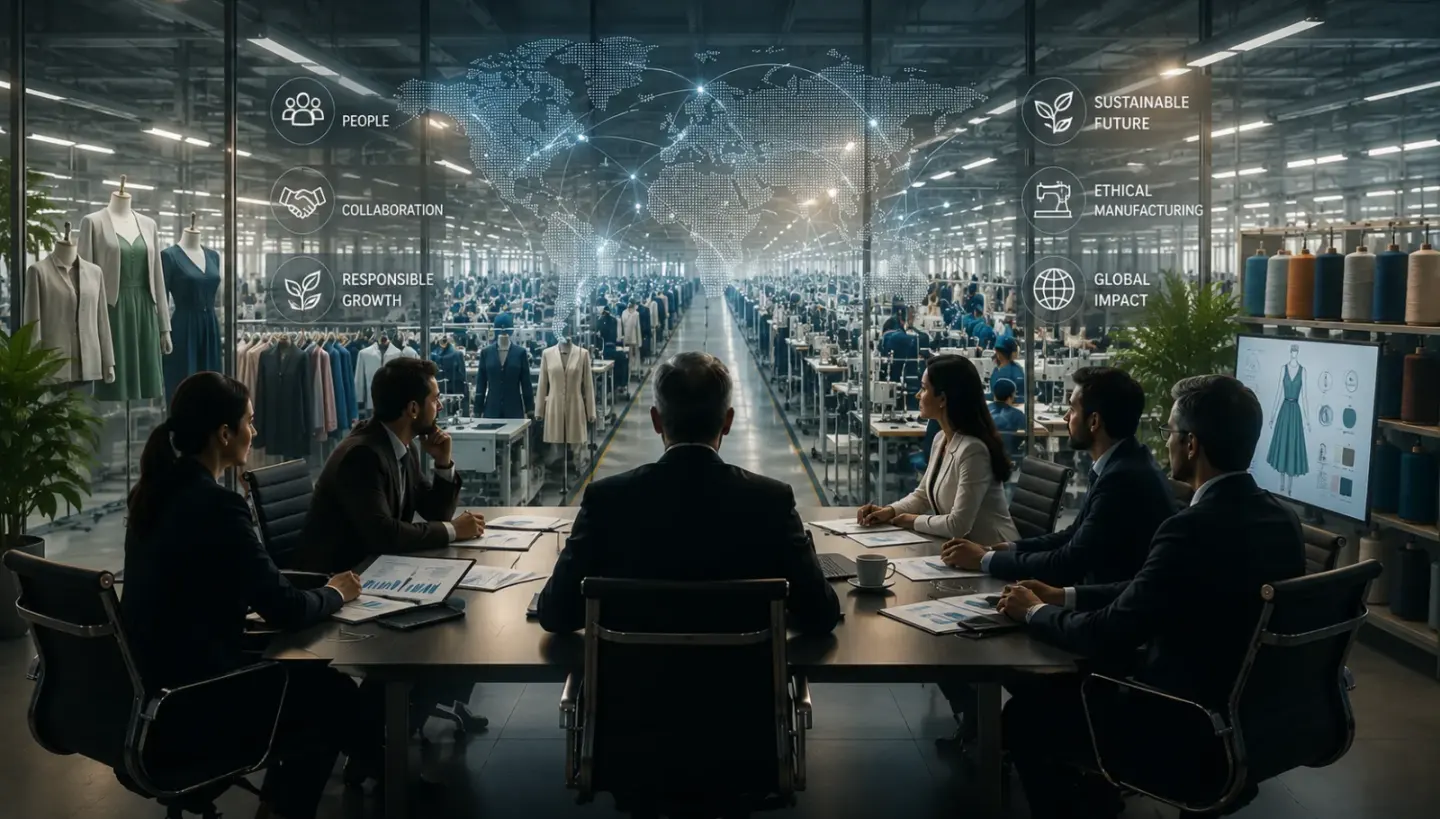
Leadership in manufacturing has become increasingly complex.
Executives are simultaneously navigating uncertainty, investment pressure, workforce change and rapid market evolution.
This CEO Forum brings together industry leaders to discuss the decisions that will shape the next era of industrial growth.
 18 Jun 202710:15 am to 11:30 amImpact Exhibition Center, Bangkok
Session Introduction:
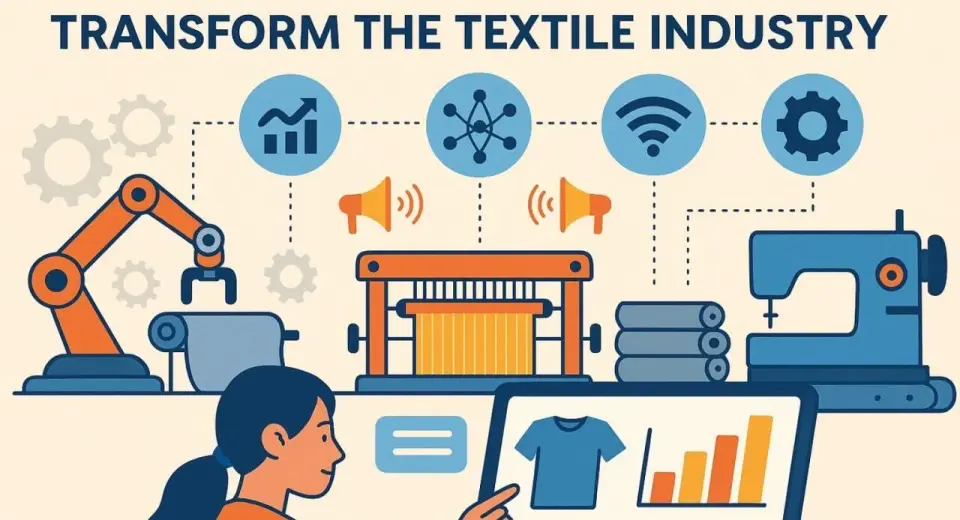
The digital transformation of sourcing is accelerating.
Artificial intelligence, predictive analytics, connected manufacturing and digital ecosystems are changing how supply chains are designed and managed.
Technology is increasingly becoming a competitive requirement rather than an operational enhancement.
This session explores how organizations can translate digital ambition into measurable business outcomes.
 18 Jun 202711:45 am to 1:15 pmImpact Exhibition Center, Bangkok
Session Introduction:
The sustainability conversation is entering a new phase.
Environmental and social responsibility are increasingly becoming drivers of competitiveness, investment attractiveness and market access.
Companies must move beyond viewing sustainability as a reporting obligation and instead position it as a strategic growth opportunity.
 18 Jun 20272:15 pm to 3:45 pmImpact Exhibition Center, Bangkok
SESSION Introduction:
Global trade is entering a new regulatory era.
Market access is increasingly being shaped not only by price, quality and delivery - but by compliance, transparency, traceability, environmental performance and responsible business conduct.
Across Europe, North America and increasingly South America, governments and regulators are introducing a new generation of policies that are redefining how textile and apparel products are sourced, manufactured, imported and marketed.
 18 Jun 20274:00 pm to 5:00 pmImpact Exhibition Center, Bangkok
Session Introduction
Factories of the future will look fundamentally different from today.
Success will depend on combining technology, operational excellence, energy efficiency and workforce capability into one integrated industrial model.
This session explores how manufacturing transformation can be accelerated.
 18 Jun 20275:15 pm to 6:15 pmImpact Exhibition Center, Bangkok
Integrated Segment:
NexGen CEOs Roundtable
Session Introduction
The future of the industry depends on future leaders.
As the sector undergoes rapid transformation, organizations must rethink leadership development, workforce strategy and talent attraction.
This session creates an intergenerational dialogue between established and emerging leaders.